
Alamitos Canyon Retreat sits on 150 acres of high country above the Pecos River, surrounded by the Santa Fe National Forest and Pecos Wilderness. People have walked, farmed, traded, and prayed on this land for more than 10,000 years. We come here as guests, and we invite everyone who gathers with us to do the same.
> Forest Service
> Wikipedia
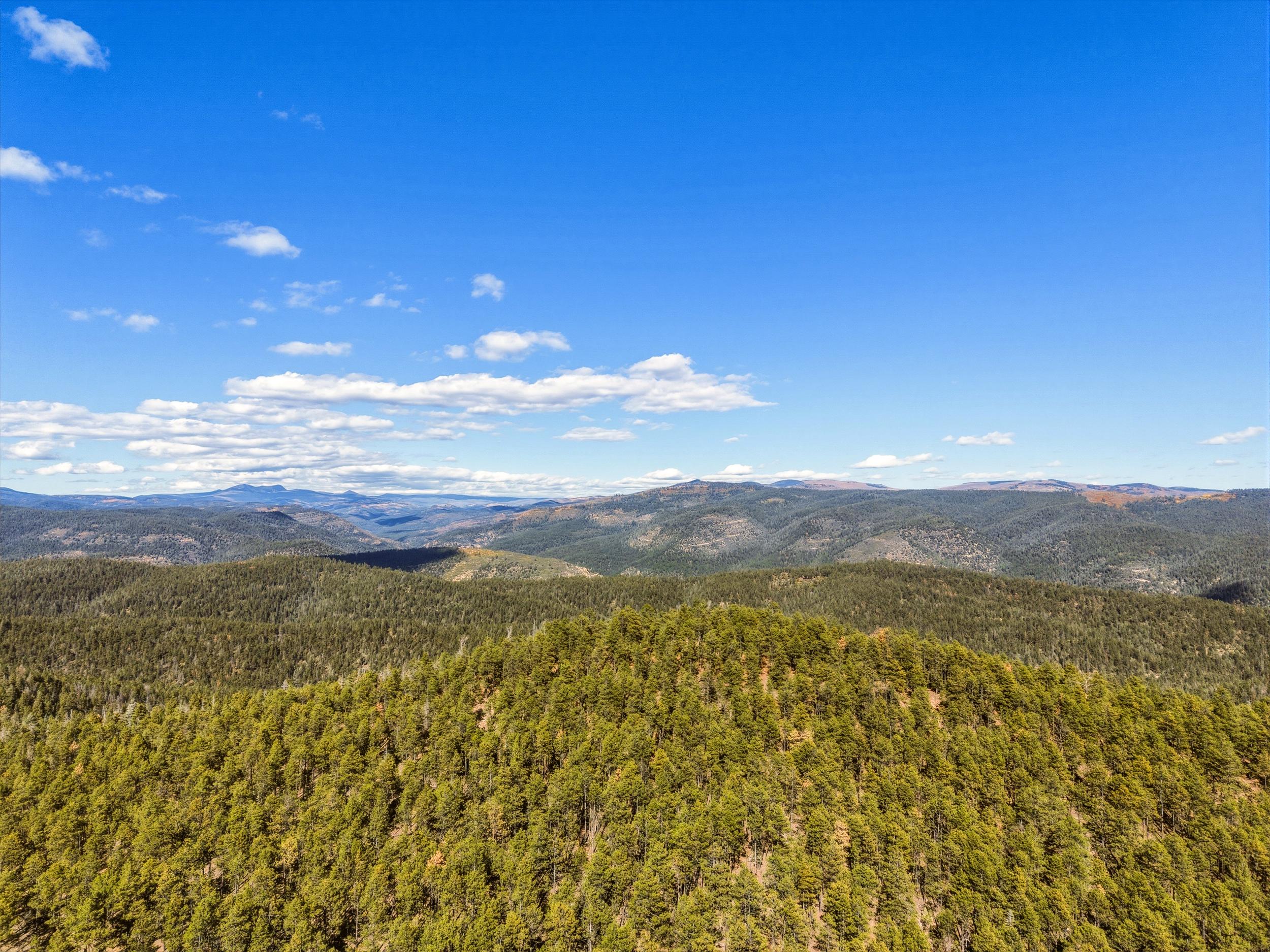
Alamitos Canyon Retreat is in the Upper Pecos Valley, the ancestral homeland of the Pecos people, the P'aékish. They were Ancestral Puebloans whose descendants live today at Jemez Pueblo.
For more than 10,000 years, people have lived on this land: first hunter-gatherers, then farmers and village builders, and later the people of P'aékilâ, "the place above the water." P'aékilâ was a great pueblo on a ridge between the Pecos River and Glorieta Creek. Near Glorieta Pass, it became a crossroads of trade where the Rio Grande Pueblos met Apache, Comanche, and other Plains and mountain peoples who also used this land for generations. The Pecos people lived through Spanish colonization and joined the Pueblo Revolt of 1680. Later they suffered from disease, raids, and the loss of their land, and in 1838 the last Pecos families moved to Jemez Pueblo. Their descendants keep ceremonial and cultural ties to P'aékilâ, which is now protected within Pecos National Historical Park and remains a living cultural place.
We come to this land as guests in a place with a long memory.
The canyon is cut into ancient stone that holds traces of old seas. The ponderosa, piñon, juniper, and oak have grown through fire, drought, and snow, and the wind moves through their needles and leaves like breath through a body. The Pecos River below carries stories of mining, damage, and ongoing repair. We ask everyone who gathers here to come with respect: to listen to the land and to each other, to notice how their presence affects the water, soil, and forest, and to honor the Indigenous communities whose ties to this place continue. May the shelter of these hills and the sound of wind in the pines remind us that healing is never separate from the earth we stand on.
Pecos lies where three great landscapes come together: the Southern Rocky Mountains, the Rio Grande Rift, and the western edge of the Great Plains.
To the north rise the Sangre de Cristo Mountains. To the south, Glorieta Mesa stretches across the horizon, a flat-topped table of sandstone and shale whose banded rock glows red, tan, and ochre in clear light. In fall, cottonwoods along the river below add a ribbon of gold. [pubs.usgs][nps]
The canyon itself is cut into ancient stone that still holds traces of old seas. Walking here, you move through layers of time.
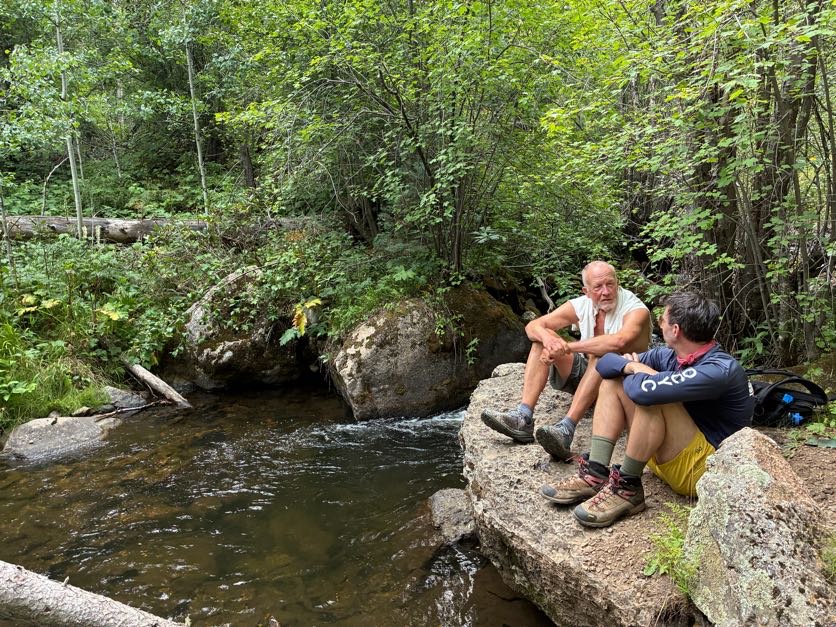
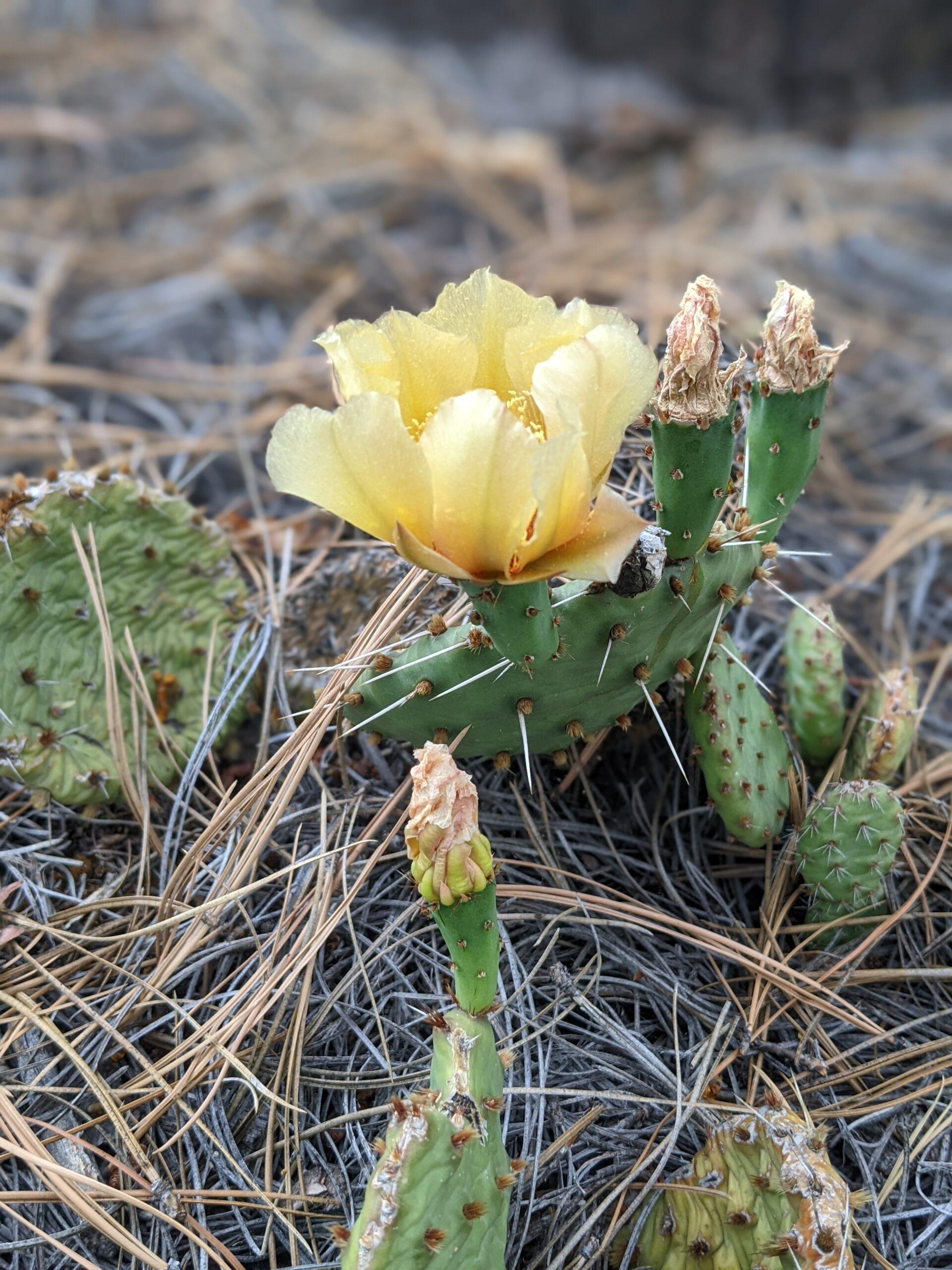
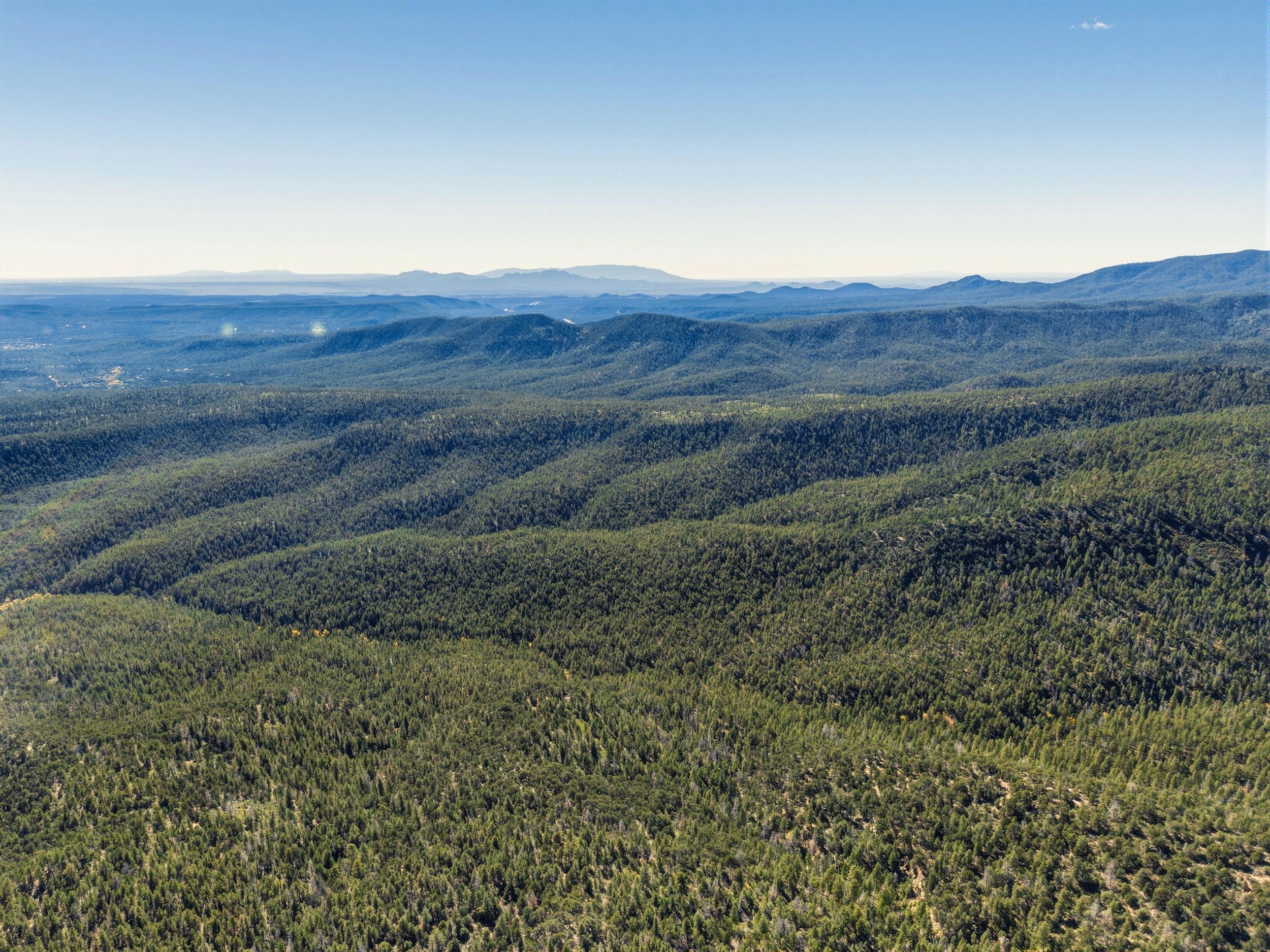

The forest is made of four voices. Ponderosa pine rises in tall, open stands, and its long needles give off a soft, steady hiss in the wind, like distant surf. Piñon and juniper answer with a drier murmur close to the ground, and oak shrubs rattle when a gust passes through. These trees have grown through fire, drought, and snow. Sit still for a while and you'll hear them all at once.

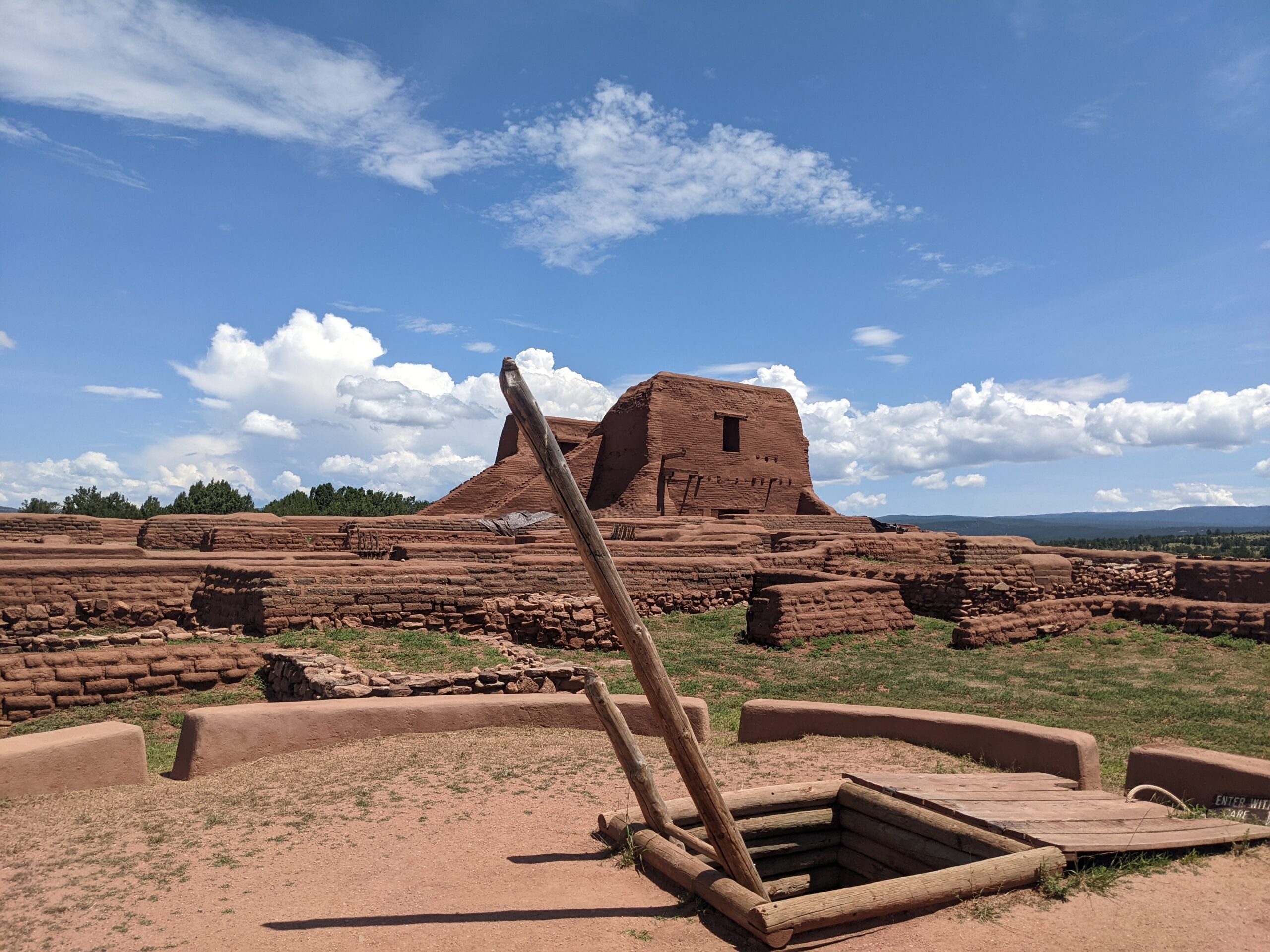
This valley is the ancestral homeland of the Pecos people, the P‘aékish. Over thousands of years, people here lived first as hunter-gatherers, then as farmers of corn, beans, and squash, and then in villages. Between the 1100s and the 1400s, they gathered into one great pueblo: P'aékilâ, "the place above the water," on a ridge between the Pecos River and Glorieta Creek. Its stone room blocks rose four and five stories high, surrounding kivas and an open plaza.[nps]
Near Glorieta Pass, the natural gateway between the Rio Grande valley and the buffalo plains, P'aékilâ became one of the great trading centers of the Southwest. Pueblo farmers traded pottery, crops, textiles, and turquoise with Apache and other Plains peoples, who brought buffalo hides, flint, and shells. At its height, the pueblo may have been home to about 2,000 people.[nps]

Spanish expeditions reached Pecos in 1540, and Franciscan missionaries built a large adobe church beside the pueblo in the early 1600s. In 1680, the Pecos people joined the Pueblo Revolt, which drove Spanish rule from New Mexico for a time. Over the following generations, disease, raids, disrupted trade, and the loss of land steadily reduced the pueblo's population. In 1838, the last Pecos families left and moved to Jemez Pueblo. jemezpueblo, nps
Their descendants are still part of Jemez Pueblo today, and they keep their ceremonial and cultural ties to P'aékilâ as an ancestral home. The pueblo and its mission ruins are now protected within Pecos National Historical Park, a few miles from the retreat. The valley also lies within the broader homelands of Rio Grande Pueblo peoples and of Plains peoples such as the Apache and Comanche. jemezpueblo

Alamitos Canyon Retreat is on the ancestral homeland of the Pecos people, whose descendants live today at Jemez Pueblo.
This land has also been used for generations by Apache, Comanche, and other Plains and mountain peoples. We honor these communities and their continuing connection to this place.
We ask everyone who gathers here to come with respect: to listen to the land and to each other, to notice how their presence affects the water, soil, and forest, and to leave this place more peaceful than they found it. May the shelter of these hills and the sound of wind in the pines remind us that healing is never separate from the earth we stand on.
K‘AK‘ORA Life Society takes its name from the Native Pecos word for “stone on top” [confirm meaning and spelling], in honor of the ridge where the retreat stands and the people whose homeland this is. The name reminds us that we are part of a much longer story, and that our role is to care for the land while we are here.

Many groups set aside a morning to walk the trail through the pueblo and mission ruins at Pecos National Historical Park. It‘s a short drive from the retreat and a meaningful way to understand the land your retreat is held on.
Learn more about the park’s history and culture.